

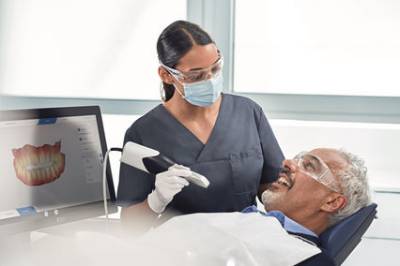
The dental industry has changed significantly with the adoption of advanced technology, and a digital dentistry laboratory now plays an important role in modern restorative workflows. By combining digital tools with skilled laboratory expertise, dental laboratories help create more precise, efficient, and predictable solutions for dentists and their patients.
From digital impressions and CAD/CAM design to computer-guided manufacturing, these technologies allow dental professionals to improve communication, reduce manual errors, and deliver restorations that meet today’s expectations for comfort, function, and aesthetics. Dentek Digital supports modern dental practices by embracing digital workflows that help improve collaboration between clinicians and laboratory professionals.
As dentistry continues moving toward digital solutions, understanding how digital laboratories support dental practices can help clinicians make informed decisions when choosing the right laboratory partner.
What Is a Digital Dentistry Laboratory?
A digital dentistry laboratory is a dental laboratory that uses digital technologies to design, plan, and manufacture dental restorations and appliances. Instead of relying only on traditional physical methods, digital workflows incorporate tools such as intraoral scanners, computer-aided design (CAD), computer-aided manufacturing (CAM), and advanced production systems.
These technologies allow dental technicians to create highly detailed digital models of a patient’s oral structures. The information can then be used to design crowns, bridges, implant restorations, veneers, dentures, and other dental solutions with greater consistency.
While technology plays a major role, the expertise of dental technicians remains essential. Digital systems provide valuable data, but experienced professionals are still responsible for evaluating designs, selecting appropriate materials, and ensuring each restoration meets clinical requirements.
How Digital Workflows Are Changing Dental Laboratories
Traditional dental workflows often required physical impressions, manual model creation, and multiple adjustment stages. Although these methods have been effective for decades, digital dentistry has introduced new ways to improve communication and production processes.
A modern digital workflow typically involves several key steps:
- Digital data collection
Dentists can capture detailed patient information through digital impressions and scanning technology. This eliminates many challenges associated with traditional impression materials, such as discomfort and possible distortion. - Digital restoration design
Dental technicians use specialized CAD software to design restorations based on the dentist’s treatment plan and patient-specific requirements. - Computer-guided manufacturing
CAM technology allows digital designs to guide advanced milling or 3D printing processes, helping produce consistent and accurate dental restorations. - Quality assessment and final adjustments
Experienced technicians review the final restoration to ensure proper fit, appearance, and function before delivery.
This combination of technology and craftsmanship creates a more predictable workflow between dental practices and laboratories.
Benefits of Partnering With a Digital Dental Laboratory
A reliable digital dental laboratory can provide several advantages for dental professionals looking to improve their restorative outcomes.
Improved Accuracy and Consistency
Digital workflows allow dental teams to work with highly detailed scans and precise measurements. This information helps technicians create restorations that closely match the patient’s anatomy and treatment goals.
Computer-aided design also allows technicians to evaluate different aspects of a restoration before production begins. This reduces the likelihood of significant adjustments after fabrication.
Better Communication Between Dentists and Technicians
Effective communication between dental professionals and laboratory teams is essential for successful restorative treatment. Digital workflows make it easier to share case information, review designs, and provide feedback.
Instead of relying only on physical materials, dentists and technicians can collaborate using digital files and visual references. This creates a clearer understanding of the desired outcome before the restoration is completed.
Faster and More Efficient Production
Time is an important factor in dental treatment. Digital technologies can streamline several stages of laboratory production by reducing manual processes and improving workflow organization.
Although each case requires careful planning and quality control, digital systems can help laboratories manage complex cases more efficiently while maintaining high standards.
Enhanced Patient Experience
Patients today often expect dental treatments that are comfortable, reliable, and aesthetically pleasing. Digital dentistry supports these expectations by helping dental teams provide restorations designed around individual needs.
For example, digital impressions can offer a more comfortable experience compared with traditional impression techniques. In addition, improved design accuracy can contribute to restorations that feel natural and function effectively.
The Role of CAD/CAM Technology in Digital Dentistry
CAD/CAM technology is one of the most important developments in modern dental laboratory processes. It connects digital design with advanced manufacturing, allowing technicians to create restorations using computer-guided systems.
CAD software enables technicians to develop detailed restoration designs, considering factors such as:
- Tooth shape and proportions
- Occlusion and bite relationship
- Functional requirements
- Patient-specific aesthetic goals
Once the design is approved, CAM technology assists with manufacturing using materials selected for strength, durability, and appearance.
This technology does not replace the knowledge of dental technicians. Instead, it provides tools that support their expertise and allow them to achieve more predictable results.
Why Dentist-Laboratory Collaboration Matters
Even with advanced technology, successful dental outcomes depend on strong collaboration between dentists and laboratory professionals.
A digital workflow works best when both teams communicate clearly from the beginning of treatment planning. Dentists provide important clinical information, while laboratory technicians contribute their knowledge of materials, design principles, and manufacturing processes.
Before starting a complex restorative case, dental professionals should consider:
- The laboratory’s experience with digital workflows
- Communication methods for reviewing cases
- Quality control procedures
- Knowledge of modern dental materials
- Ability to support complex restorative requirements
Choosing a laboratory partner that understands both technology and clinical expectations can make a significant difference in treatment outcomes.
Future Trends in Digital Dental Laboratory Technology
Digital dentistry continues to develop as new technologies become available. Artificial intelligence, improved scanning systems, and advanced manufacturing techniques are expected to further influence how dental restorations are planned and produced.
Future digital workflows may provide even more support for treatment planning, design accuracy, and communication between dental teams.
However, technology alone cannot replace professional judgment. The most successful digital dental laboratories will continue combining innovation with technical expertise and attention to detail.
Choosing the Right Digital Dentistry Laboratory Partner
For dental practices, selecting the right laboratory is an important decision. A strong laboratory partnership should focus on more than just production speed. It should provide reliable communication, consistent quality, and a commitment to supporting clinical goals.
Dentists should look for a laboratory that understands digital workflows while maintaining the craftsmanship required for high-quality restorations.
A dependable digital dentistry laboratory becomes an extension of the dental practice, helping clinicians provide better experiences and outcomes for their patients.
Conclusion
A digital dentistry laboratory has become an essential part of modern restorative dentistry by combining advanced technology with skilled dental expertise. Through digital impressions, CAD/CAM design, and computer-guided manufacturing, laboratories can support more accurate, efficient, and predictable dental workflows.
As technology continues to advance, collaboration between dentists and digital laboratories will remain a key factor in delivering high-quality patient care. Partnering with an experienced laboratory such as Dentek Digital allows dental practices to embrace modern workflows while maintaining the precision, reliability, and attention to detail that patients expect.