

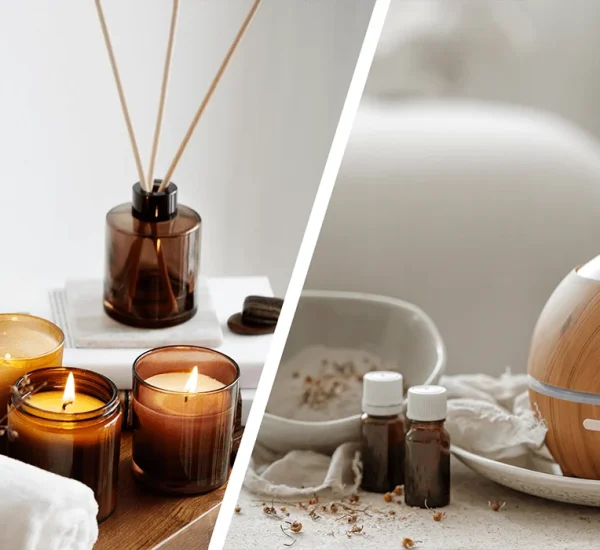
A room can look spotless and still feel unfinished if the air feels stale. That is why home fragrance matters less as decoration and more as part of how a house welcomes people the second they walk through the door. In many American homes, scent is competing with open kitchens, pets, laundry rooms, HVAC vents, sealed windows, takeout containers, gym bags, and busy family schedules. No candle can fix all of that alone.
The mistake most people make is treating scent like a cover-up. They spray, plug in, light, or diffuse before asking the better question: what is the room already saying? A good scent plan starts with clean air, balanced intensity, and smart placement. It also changes by room because your entryway, bedroom, bathroom, and kitchen should not smell like one giant wax aisle. For homeowners, renters, and small-space dwellers trying to create a fresher living space, the best approach is practical, subtle, and personal. Even simple lifestyle resources like better home routines can remind you that comfort usually comes from small choices repeated well.
Better Home Fragrance Starts Before You Add Scent
A pleasant-smelling room begins with subtraction, not addition. The smartest move is to remove the sources of trapped odor before you bring in candles, oils, sprays, or reed diffusers. That sounds less glamorous than buying a new amber jar candle, but it works better. Scent has nowhere to land cleanly when it mixes with trash bins, damp towels, old upholstery, cooking grease, and dusty vents.
Why indoor air freshness beats masking odors
Indoor air freshness depends on airflow, fabric care, humidity control, and routine cleaning. A living room with clean curtains, vacuumed rugs, and open vents will need far less fragrance than one packed with odor-absorbing textiles. Fabric is sneaky. Sofas, throw blankets, dog beds, carpets, and decorative pillows hold onto smells long after the original source is gone.
Start with the soft surfaces before blaming the air. Wash pillow covers, rotate throws, vacuum under cushions, and sprinkle baking soda on rugs before vacuuming if the material allows it. In a typical U.S. home with central heating and cooling, vents also move odor from one room to another. A forgotten kitchen smell can travel farther than you think.
Freshness also has a moisture problem. Bathrooms, basements, laundry rooms, and poorly ventilated closets often smell “off” because dampness is hanging around. A small dehumidifier, a bathroom fan that runs long enough after showers, or a cracked window during mild weather can change the entire mood of a room. Fragrance works best when the air already has some breathing room.
How to build a clean scent foundation
A clean scent foundation does not mean your home should smell like bleach or hospital soap. It means the room should have a neutral base before you add character. Think of it like cooking in a clean pan. The flavor comes through because old residue is not fighting it.
The best weekly rhythm is simple: empty trash before it smells, wash pet bedding on schedule, wipe kitchen surfaces after cooking, and keep shoes from becoming the entryway’s main scent note. For families in suburban homes, one overlooked source is the mudroom or garage entry. Backpacks, sports gear, damp coats, and delivery boxes can quietly turn that area into the scent center of the house.
Once the base is clean, scent choices feel calmer. A linen spray on bedding, a reed diffuser near the entry, or a candle in the living room can add warmth without shouting over hidden odor. That is the moment home fragrance becomes atmosphere instead of damage control.
Choosing Scents That Fit Real American Homes
The best scent for a home is not always the one that smells strongest in the store. Many candles and sprays seem appealing in a quick sniff test, then become exhausting after thirty minutes in a closed room. Real homes need scents that live well with cooking, pets, guests, weather changes, and the size of the space.
Home scent ideas for every room
Home scent ideas should match the purpose of each room. A bedroom needs rest, not drama. Soft cotton, lavender, sandalwood, chamomile, or light vanilla can work because they stay close to the skin of the room. Heavy bakery scents may feel cozy at first, but they can become too sweet when you are trying to sleep.
Living rooms can handle more personality because people gather there. Cedar, citrus, fig, amber, tea, and gentle spice notes often feel warm without taking over. In a kitchen, clean herbs, lemon, basil, mint, or rosemary tend to make more sense than dessert-heavy scents. Nobody needs a pumpkin cupcake candle competing with garlic, onions, and roasted chicken.
Bathrooms need restraint. Eucalyptus, sea salt, clean linen, or mild citrus can make the room feel cared for, but a strong plug-in in a tiny powder room can feel aggressive. The better test is simple: walk out, wait five minutes, then walk back in. If the smell hits you like a wall, it is too much.
Matching scent choices to climate and season
Scent behaves differently in Arizona than it does in Maine. Dry climates can make some fragrances feel sharper, while humid areas can make sweet or musky notes feel heavier. American homes also shift by season because windows, HVAC systems, and daily habits change throughout the year.
Spring and summer usually call for lighter profiles. Citrus, green tea, cucumber, fresh herbs, and airy florals can make a fresher living space feel open instead of perfumed. Fall and winter can carry deeper notes because cooler weather gives them somewhere to sit. Cedar, clove, pine, amber, cocoa, and warm vanilla can feel inviting when the house is closed against cold air.
The counterintuitive part is that seasonal scent should still be quiet. A December home does not need to smell like a cinnamon factory to feel festive. One candle near the living room, fresh greenery near the entry, or simmering orange peel and spice on the stove can do more than five competing products scattered around the house.
Using Fragrance Products Without Overdoing It
Good scent control comes from placement and timing. Most people use too much product because they expect one item to solve an entire house. That leads to scent fatigue, where you stop noticing the fragrance and keep adding more. Guests notice. They always notice.
Candles, diffusers, sprays, and plug-ins each have a job
Candles create mood better than they solve odor. They belong in moments: a quiet evening, a dinner setup, a bath, or a weekend reset. A candle in a high-traffic hallway often burns without purpose because people pass through too quickly to enjoy it.
Reed diffusers work better for steady background scent. They suit entry tables, guest bathrooms, offices, and bedrooms because they do not require attention. The trick is controlling intensity. Flip reeds less often if the scent gets too strong, and use fewer reeds in smaller rooms.
Room sprays should act like quick edits, not daily cover-ups. A short spray before guests arrive can freshen a space, but repeated spraying usually means something else needs cleaning. Plug-ins offer convenience, especially for busy households, yet they can become overpowering fast. Use them lightly, and avoid putting them in every outlet like the house is trying to prove a point.
The right placement makes scent feel expensive
Placement changes everything. A single diffuser near the front door can make guests feel welcomed before they notice furniture, paint, or lighting. A candle on a coffee table can anchor a living room better than one hidden behind a plant. Scent should meet people naturally where they pause.
Avoid placing fragrance right beside food, litter boxes, trash cans, or laundry hampers. That sounds backward, but placing scent near odor sources can create a strange blended smell. Clean the source first, then place fragrance a few feet away so the room smells intentional rather than patched together.
Airflow matters too. In homes with ceiling fans, forced-air heating, or open floor plans, scent travels quickly. A diffuser near an air return can spread fragrance farther than expected. That can be useful, but it can also make the whole house smell the same. Better scent design feels layered, not copied and pasted.
Making a Fresher Living Space Feel Personal
A home should not smell like a hotel lobby unless you live in a hotel lobby. The goal is not perfection. The goal is recognition. When you open the door, the air should feel like your life has been cared for, not staged for strangers.
Scent choices should reflect how you live
Your routine should decide your scent plan. A household with kids and pets needs washable freshness and durable habits before delicate fragrance. A city apartment may need odor control near the kitchen because cooking smells travel fast. A larger suburban home may need scent zones because one product cannot reach every room evenly.
Personal scent choices also depend on memory. Some people love pine because it reminds them of winter trips. Others hate vanilla because it feels too sweet or artificial. A good scent profile respects those reactions. The right fragrance does not need to impress everyone who enters. It needs to make the people who live there feel settled.
This is where many home scent ideas go wrong. They chase trends instead of paying attention to the house. A scent that works in a glossy California bungalow may feel odd in a brick Colonial in Pennsylvania or a ranch home in Texas. Your home already has a mood. Choose scents that join it, not scents that argue with it.
Small scent rituals make freshness stick
A fresher living space comes from repeatable rituals more than big weekend resets. Open windows when the weather allows. Wash kitchen towels before they smell sour. Put a small bowl of coffee grounds in the fridge if odors linger. Keep a linen spray near the bed and use it after changing sheets, not as a substitute for changing them.
One strong ritual beats ten random products. For example, light a cedar or citrus candle for one hour after Saturday cleaning, then blow it out and let the room settle. That single habit teaches your brain that the house has shifted from work mode to rest mode. Scent becomes a marker, not a mask.
Guests may never know why your home feels good. That is the win. They will not point to the diffuser or ask which spray you used. They will walk in, breathe normally, and feel comfortable. Quiet success counts.
Conclusion
The best-smelling homes rarely smell heavily scented. They feel clean, lived-in, and balanced, with fragrance added in the right places at the right strength. That takes a little honesty. You have to notice the laundry basket, the dog blanket, the kitchen vent, and the bathroom humidity before you reach for the pretty bottle.
Once the basics are handled, home fragrance becomes easier and more enjoyable. You can choose a signature note for the entry, a softer mood for the bedroom, and a cleaner lift for the kitchen without turning your house into a competing cloud of scents. The real skill is restraint. A home that smells good should still leave room for coffee, dinner, fresh sheets, rain on coats, and the human life happening inside it.
Start with one room this week. Remove the stale source, improve the airflow, then add one scent that feels like it belongs there. Fresh air first, fragrance second, comfort always.
Frequently Asked Questions
What are the best home scent ideas for small apartments?
Choose light scents that do not crowd the space, such as citrus, green tea, linen, mint, or soft woods. Small apartments hold fragrance longer, so use one diffuser or candle at a time. Keep kitchen trash, laundry, and fabrics clean before adding scent.
How can I make my house smell fresh without candles?
Use airflow, clean fabrics, baking soda on rugs, fresh towels, and odor control near trash areas. Reed diffusers, stovetop citrus peels, linen sprays, and houseplants can also help. The biggest change often comes from removing odor sources before adding fragrance.
What scents work best for indoor air freshness?
Clean, light scents usually work best, including lemon, eucalyptus, cotton, basil, rosemary, and soft cedar. Heavy sugar, musk, or spice can feel thick in closed rooms. Freshness should smell open and calm, not loud or artificial.
How often should I change home fragrance products?
Change them when the scent fades, feels stale, or no longer fits the season. Reed diffusers often need replacement after a few months, while candles depend on burn time. Rotating scents by season keeps your home from feeling flat.
How do I stop pet odors from taking over my living space?
Wash pet bedding often, vacuum upholstery, clean floors near feeding areas, and manage litter boxes or crates daily. Add scent only after cleaning. A mild diffuser away from the pet zone works better than spraying fragrance directly near the odor source.
What fragrance is best for a bathroom?
Clean linen, eucalyptus, sea salt, mint, and mild citrus work well because they make the space feel fresh without becoming heavy. Small bathrooms need less product than people think. A reed diffuser with fewer sticks often beats a strong plug-in.
How can I make my kitchen smell better after cooking?
Run the vent fan during cooking, wipe greasy surfaces, empty food scraps, and simmer citrus peel or herbs afterward. Avoid sweet candles right after savory meals. Lemon, rosemary, basil, and vinegar-based cleaning habits usually work better than perfume-like sprays.
What is the easiest way to create a fresher living space?
Start with fabrics, trash, airflow, and humidity. Wash what holds odor, open windows when possible, and keep damp areas dry. After that, add one gentle scent per zone. A clean base makes every fragrance smell more natural and more expensive.