

A car repair bill never asks whether payday is close. The water heater quits, a child needs urgent dental care, or your hours get cut, and suddenly the budget that looked fine yesterday feels too thin. For many American households, sudden costs do not arrive as one giant disaster. They show up as a chain of smaller hits that drain the checking account before anyone has time to think clearly. That is where calm money decisions matter more than perfect money decisions. You need a plan that gives the next dollar a job, protects your basic bills, and keeps panic from pushing you toward expensive debt. Trusted financial guidance, local aid programs, and practical resources like personal finance planning support can help you sort through choices without making the situation worse. The goal is not to pretend emergencies feel easy. They do not. The goal is to build enough control that one hard week does not turn into a six-month financial mess.
Emergency Finance Guide Decisions That Matter First
The first hour after a financial shock can shape the next several months. People often make the mistake of treating every bill as equally urgent, but money pressure has a pecking order. Rent, mortgage payments, utilities, food, transportation, insurance, and essential medical care sit at the top because they protect shelter, safety, income, and health. A cracked phone screen may feel urgent. Losing the car you use to get to work is a different kind of urgent.
Protect housing, food, and income before anything else
A strong response starts with separating fear from actual deadline pressure. A $900 car repair may look impossible, but the real issue might be whether you need the car tomorrow for work or whether you can arrange rides for three days while comparing repair quotes. This distinction matters because panic compresses time. It makes every choice feel like it must happen now.
American families face this often when one repair touches multiple parts of life. A parent in Ohio may need the car to reach a warehouse shift, pick up a child from school, and get groceries from a store that is not walkable. In that case, transportation belongs near the top of the list because income depends on it. The same repair for someone who works from home and has public transit nearby may sit lower for a few days.
Your first move should be a small written priority list. Put survival bills first, then income-protecting costs, then anything that prevents fees or service loss. This list does not solve the shortage by itself, but it stops the loudest bill from stealing money from the most important bill.
Use unexpected expenses as a signal, not a verdict
Financial stress has a nasty habit of turning into shame. That reaction is understandable, but it is not useful. Unexpected expenses reveal where your household is exposed; they do not prove that you failed. A budget can look responsible and still crack when insurance deductibles, childcare gaps, or prescription costs land in the same month.
Treat the emergency like a smoke alarm. The noise is awful, but it points toward the room that needs attention. If your emergency came from medical bills, the deeper problem may be insurance coverage, billing errors, or lack of a payment plan. If it came from car repairs, the deeper issue may be maintenance timing, commute dependence, or a vehicle that now costs more than it protects.
This mindset changes the next step. Instead of saying, “I am bad with money,” you can say, “This category needs a buffer before the next hit.” That sentence gives you a path. Shame gives you a wall.
Build a Cash Triage System Before You Borrow
Once the first priorities are clear, the next job is finding cash without creating a larger problem. Borrowing can help in some cases, but it should not be the first reflex. Many costly debt decisions happen because people skip the boring middle step: squeezing timing, payment terms, and unused money before taking on new obligations.
Find short-term savings hidden inside the month
Short-term savings do not always mean a separate account with a neat label. Sometimes they come from pausing a nonessential payment, delaying a purchase, using pantry meals, canceling a subscription, or asking a provider for a due-date shift. These moves may sound small, but emergencies often turn on a few hundred dollars, not thousands.
A useful exercise is the seven-day freeze. For one week, you stop every nonessential purchase and redirect that money toward the emergency. No takeout, no app purchases, no casual online orders, no “small” store runs that somehow become $48. This works because the modern budget leaks through convenience. Emergencies demand friction.
Short-term savings also include money trapped in habits. Many households keep paying for services they forgot they joined, especially streaming bundles, cloud storage, meal apps, and memberships tied to old routines. Canceling them will not fix everything, but it can create breathing room without interest charges.
Negotiate before you accept expensive money
Credit cards, payday loans, title loans, and buy-now-pay-later offers can feel like relief when cash is short. The danger is that relief can become rent you pay every month. Before taking on new debt, call the company or provider tied to the bill and ask what options exist. Hospitals, dentists, mechanics, utility companies, landlords, and insurers may offer payment plans, hardship extensions, or partial-payment arrangements.
The call works best when you are specific. Say what you can pay today, what you can pay on the next payday, and when you expect the balance to close. Vague promises make providers nervous. A clear plan makes you easier to work with.
A counterintuitive truth sits here: asking early feels embarrassing, but it gives you more power. Waiting until the account is late limits the options. Early contact tells the other side you are trying to solve the problem, not disappear from it.
Make the Emergency Fund Fit Real American Life
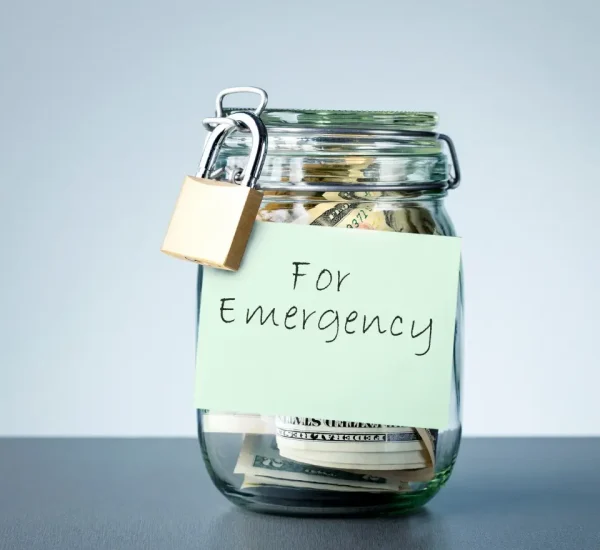
The classic advice says to save three to six months of expenses. That goal is useful, but it can feel absurd to someone who is already choosing between groceries and a utility bill. A better starting point is smaller and less glamorous: build an emergency fund that can stop one bad day from becoming a bad quarter.
Start with one bill, not a perfect target
The first useful emergency fund target is not six months. It is one common bill. For many households, that means $250, $500, or $1,000. Pick an amount tied to your actual life: a tire replacement, an insurance deductible, one week of groceries, or half a month of rent. A target with a face is easier to save for than a number copied from a finance chart.
Small savings gain power when they sit outside your checking account. Keep the money close enough to access, but not so close that it blends into everyday spending. A separate savings account at the same bank can work. A different bank can work better for people who spend what they see.
The first deposit matters less than the habit. Ten dollars every Friday may not impress anyone, but it proves the account is alive. Once the emergency passes, that habit becomes the rebuild plan.
Plan for medical bills before they become collections
Medical bills deserve their own strategy because the sticker price is not always the final price. Many Americans pay too quickly or ignore the bill too long. Both choices can cost money. The better move is to slow down, read the statement, compare it with insurance paperwork, and ask for an itemized bill if something looks off.
Hospitals and clinics may offer financial assistance, payment plans, or discounts for people who qualify. You should ask directly and keep records of every call. The person on the phone may not volunteer every option, so your wording matters: “What financial assistance or hardship programs are available for this account?” That question opens more doors than “Can I pay later?”
Medical bills also need emotional distance. Health stress already drains energy, and money fear piles on top. Put the bill in a folder, create a call log, and handle it in scheduled blocks instead of letting it haunt every evening.
Turn One Crisis Into a Better System
A money emergency should leave behind more than a paid bill. It should teach you where your system bent, where it broke, and which repair will protect you next time. That does not mean blaming yourself after a hard month. It means refusing to waste the lesson.
Create a post-emergency money review
A post-emergency review works best when you do it after the immediate pressure drops. Look at the event in three parts: what caused the cost, what made it harder, and what would make it easier next time. This review should be plain and honest. No drama. No punishment.
A Nevada renter dealing with a $700 air-conditioning repair reimbursement delay might learn that the landlord process takes weeks, the checking account cannot absorb long waits, and every repair request needs written proof. A Florida driver hit with storm damage might learn that the deductible is the real emergency number, not the total repair estimate. These lessons are not abstract. They point to the next savings target.
The review should end with one change, not ten. Add automatic savings, adjust insurance deductibles, build a bill calendar, or create a repair folder. One completed fix beats a giant plan that dies by next Tuesday.
Build a family rule for unexpected expenses
Unexpected expenses become harder when every decision has to be argued from scratch. Couples, roommates, and families need a simple rule before pressure hits. The rule might say that any emergency over $300 triggers a same-day budget review, or that no one uses high-interest debt until two lower-cost options have been checked.
This rule protects relationships as much as money. Financial stress can turn partners into opponents when both people are scared and tired. A shared rule gives the household something neutral to follow. It turns the conversation from “Why did you do that?” into “What does our rule say?”
Your rule should also name the line between emergency and inconvenience. A broken furnace in January is an emergency. A sale on a new appliance is not. Clear language keeps the emergency plan from becoming a back door for impulse spending.
Conclusion
Financial emergencies will always feel personal because they hit the parts of life you work hard to protect. Still, the strongest response is not panic, blame, or a rush toward the fastest loan. It is a calm sequence: protect the essentials, search for cash inside the month, negotiate early, and rebuild with one focused change. Sudden costs become less dangerous when your household has a repeatable process instead of a fresh argument every time something breaks. Start with the next practical move today. Write down your top five essential bills, choose one starter savings target, and decide which expense category most needs protection before the next surprise lands. Money confidence does not come from never getting hit. It comes from knowing exactly how you will stand back up.
Frequently Asked Questions
What is the best way to handle emergency expenses with no savings?
Protect rent, utilities, food, transportation, and work-related costs first. Then call providers before bills become late, ask for payment plans, pause nonessential spending, and look for local assistance. New debt should come after lower-cost options have been checked.
How much should I keep in an emergency fund for sudden expenses?
Start with one realistic bill instead of chasing a huge target. Many households begin with $500 or $1,000, then build toward one month of core expenses. The right number depends on rent, transportation, insurance deductibles, income stability, and family needs.
How can I pay medical bills when money is tight?
Ask for an itemized bill, compare it with insurance records, and request financial assistance from the provider. Many hospitals and clinics offer payment plans or hardship programs. Keep notes from every call and avoid putting the balance on high-interest credit too quickly.
What should I pay first during a financial emergency?
Pay the bills that protect shelter, food, utilities, transportation, insurance, and income first. After that, handle bills with fees, service shutoff risks, or legal consequences. Lower-priority purchases should wait until the household is stable again.
Are credit cards smart for handling unexpected expenses?
Credit cards can help when the balance can be paid quickly, but they become dangerous when interest starts stacking. Before using one, ask for payment extensions, compare repair quotes, cut spending for the week, and check whether a provider offers a no-interest plan.
How do I build short-term savings on a low income?
Start with a small automatic transfer after each paycheck, even if it is $5 or $10. Then remove spending leaks like unused subscriptions, extra delivery fees, and impulse purchases. Small amounts work when they repeat and stay separate from daily checking.
What local help is available for emergency financial costs in the USA?
Many communities offer utility assistance, food banks, rental aid, nonprofit car repair support, and hospital financial assistance. Start with 211, local community action agencies, county websites, churches, and nonprofit credit counseling groups for options tied to your ZIP code.
How can families avoid fighting over emergency money decisions?
Create rules before pressure hits. Agree on which bills come first, when to use savings, what counts as an emergency, and when debt is allowed. A written rule turns a tense money argument into a shared process both people can follow.