
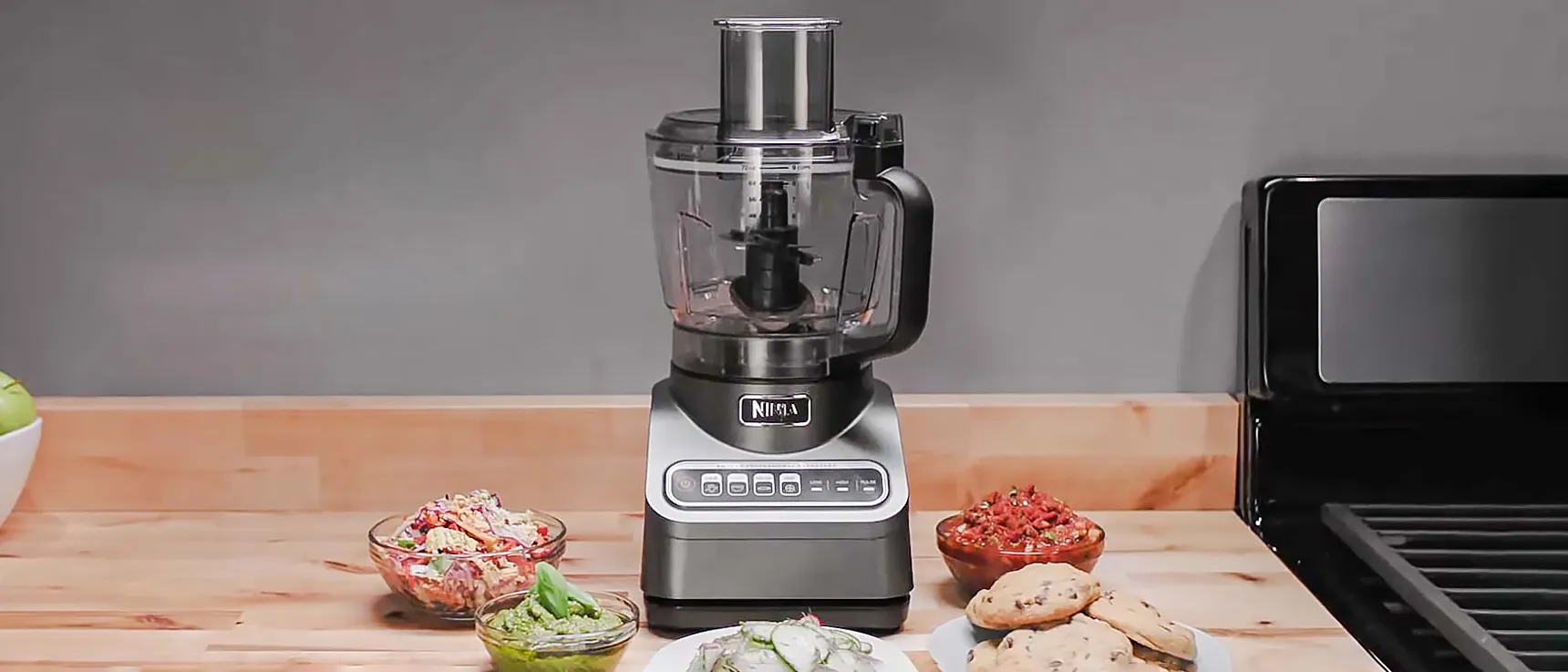
A good food prep video works because it shows the part most people hate: the chopping, crushing, mixing, and cleanup before dinner even starts. That is why Ninja Professional Plus is getting fresh attention from shoppers who want one counter appliance to carry more of the weekly kitchen load. The appeal is not mystery. It is the promise of faster smoothies, salsa, dough, chopped vegetables, and family-size frozen drinks without dragging out three separate tools. For Americans trying to cook at home while work, school, and errands chew through the day, that matters. A clip can make a machine look exciting, but the better question is whether it still earns space after the video ends. The answer depends on your habits, your counter space, and how often you prep in batches. As smart home cooking trend coverage keeps showing, the appliances that stick are not always the flashiest ones. They are the ones that remove friction on dull weekdays.
Why Ninja Professional Plus Feels Built for Busy Food Prep
Most kitchen gadgets sell a fantasy. This one sells a Tuesday night. You come home with chicken thawing in the fridge, a bag of onions on the counter, frozen fruit in the freezer, and no desire to turn dinner into a project. That is the gap a good food prep blender can fill when it has enough power, enough attachments, and simple controls.
The Viral Appeal Starts With Less Setup
The official BN801 listing says the system includes a 72 oz Total Crushing Pitcher, two 24 oz single-serve cups, an 8-cup processor bowl, chopping and dough blades, and five Auto-iQ programs for smoothies, frozen drinks, extractions, chopped mixtures, and dough. It also lists 1,400 peak watts of power, which explains why ice-crushing clips look satisfying instead of strained.
That does not mean every home cook needs a large countertop setup. A single college student in a studio apartment may get more use from a smaller personal blender. But a family in Dallas making breakfast smoothies, taco-night salsa, and pizza dough in the same week sees the value faster.
The non-obvious part is this: power is not the whole story. Many people buy strong appliances and stop using them because setup feels annoying. The draw here is that the same base handles different jobs, so the mental load is lower. Pick the vessel, lock it in, press the button, and move on.
Why Auto-iQ Blender Presets Matter More Than They Sound
An Auto-iQ blender can feel like a small thing until you are making a frozen drink with uneven ice or a smoothie with spinach stuck near the top. Presets help because they pulse, pause, and blend in timed patterns. That rhythm matters. It gives heavy pieces time to drop toward the blades instead of spinning around the walls.
For a home cook, that means fewer stops to shake the cup or scrape the sides. In a real kitchen, those small stops are where people lose patience. The appliance that saves thirty seconds six times in one meal earns more trust than the one with the loudest motor.
There is also a learning curve benefit. A parent teaching a teenager to make a smoothie before school does not want a lecture on pulse control. A preset makes the task repeatable. That is not lazy cooking. It is good design for busy households.
What the Food Prep Video Gets Right About Everyday Use
A viral clip usually focuses on speed. It shows carrots becoming shreds, ice turning into snow, or dough coming together before the viewer can scroll away. That is fun, but it can hide the deeper reason people care. Food prep is not one job. It is a chain of small jobs that pile up.
Batch Cooking Is Where the System Makes Sense
The 8-cup processor bowl is the part that matters for meal prep. A blender pitcher can make drinks, but a processor bowl can handle chopped onions, sauce bases, dips, crumb toppings, and dough. Ninja says the processor bowl can handle even chopping, purees, and up to 2 lbs. of dough.
Think about a Sunday afternoon in a Chicago apartment kitchen. You make a green smoothie for now, chop peppers for fajitas, blend a quick sauce, and mix dough for flatbread. None of those jobs is hard alone. Together, they can make the sink look like a small accident.
That is where an all-in-one blender system feels less like a gadget and more like a prep station. The surprise is that it may not make cooking more fancy. It may make cooking less dramatic. You start earlier, prep more at once, and stop treating every meal like a separate mess.
The Best Use Cases Are Not Always the Flashy Ones
Ice crushing looks great on camera, but chopped vegetables may be the feature that gets used more. So does dough mixing. So does quick sauce work for pasta, grilled chicken, or roasted vegetables. The best home appliance is often the one that handles boring jobs without asking for praise.
A food prep blender earns its spot when it helps with repeat meals: smoothies, salsa, pesto, pancake batter, marinades, hummus, and chopped salad bases. These are not chef-only tasks. They are the foods people make when they want control over cost and ingredients.
Still, blade systems have limits. They do not replace knife skills when you need exact cuts. They do not replace a stand mixer for people baking every weekend. The machine is strongest when you want speed, not perfect restaurant texture.
What to Check Before Buying an All-in-One Blender System
The hype can make the choice feel easy. It should not. A kitchen system is larger than a basic blender, and it asks for storage space, cleaning time, and a clear reason to live on the counter. The right buyer will love it. The wrong buyer will push it into a cabinet by fall.
Counter Space, Noise, and Cleanup Decide Long-Term Use
The official product page lists the BN801 at 17.05 in long, 11.61 in wide, and 15.24 in high, with dishwasher-safe parts and BPA-free material. Those details matter because American kitchens vary wildly. A suburban kitchen island in Ohio is not the same as a rental galley kitchen in Brooklyn.
Noise also matters. High-power blending is not quiet. If you make smoothies at 5:45 a.m. while someone sleeps nearby, that may change how often you use it. People rarely talk about that in product clips because noise does not sell as well as crushed ice.
Cleanup is the real test. Dishwasher-safe parts help, but large pitchers and blade assemblies still need care. Rinse them right away. Let smoothie residue dry once, and the whole “easy prep” promise starts to feel weaker.
Current Price Signals Should Be Read Carefully
A current Amazon listing shows the BN801 at $179.99 against a listed price of $219.99, with 14,543 customer ratings and a 4.8-star average at the time checked. It also shows strong category placement for countertop blenders. Prices can move, so shoppers should treat that as a live-market snapshot, not a permanent deal.
The smarter move is to judge value against the jobs it replaces. If you were already considering a blender and a food processor, one base with multiple vessels may be sensible. If you only make one smoothie a week, a lower-cost personal blender may serve you better.
That is the counterintuitive buying rule: the more recipes you repeat, the more valuable the system becomes. It is not about ambition. It is about routine. A machine used four ordinary times per week beats a premium appliance used twice a year.
For readers comparing similar appliances, a small kitchen appliance buying guide can help sort power, capacity, warranty, and storage before buying. A separate meal prep storage ideas guide can also help if your bigger issue is keeping prepared food fresh after the chopping is done.
How to Use It Without Turning Your Kitchen Into a Mess
A fast appliance can make food prep easier, but it can also make mess happen faster. That is the trade. The best owners build a simple workflow around it instead of treating it like a magic box. Prep bowls first. Keep a towel nearby. Clear one landing zone beside the base.
Order Your Prep From Clean to Messy
Start with dry or mild jobs before sticky or oily ones. Blend oats into flour before salsa. Chop herbs before garlic-heavy sauce. Make a smoothie before peanut butter dressing. This keeps flavors from carrying across tasks and reduces rinsing stress.
Food safety still matters. FoodSafety.gov recommends the basic home kitchen pattern of clean, separate, cook, and chill, including keeping raw meat away from ready-to-eat foods and washing hands and surfaces often. FoodSafety.gov’s kitchen safety guidance is worth following when any appliance is part of meal prep.
Here is the part many people miss: the blender is not the risky tool by itself. The risky moment is often the counter around it. Raw chicken packaging, a damp cutting board, and a smoothie cup can share the same space if you rush. Good workflow protects the meal better than any preset button.
Build Three House Recipes Before You Experiment
The fastest way to keep an appliance in use is to give it house jobs. Pick three recipes your household already eats. Maybe a berry smoothie, a tomato salsa, and pizza dough. Make those until the steps feel automatic.
After that, experiment. Try roasted red pepper sauce, black bean dip, mango slush, quick pancake batter, or chopped cauliflower for weeknight bowls. The machine becomes more useful once it is tied to meals you already understand.
An Auto-iQ blender is helpful here because repeat settings reduce guesswork. The all-in-one blender system also helps because you can build a small rhythm: pitcher for drinks, processor bowl for chopping, cup for single servings. That rhythm is what turns a viral purchase into a useful kitchen habit.
Conclusion
Food prep tools get attention when they look powerful, but they stay useful when they make ordinary meals easier. That is the real story behind this product’s latest wave of attention. It is not only about crushed ice or a fast clip on a phone screen. It is about the worn-out home cook who wants fewer steps between groceries and dinner. The Ninja Professional Plus belongs in that conversation because it brings blending, chopping, single-serve drinks, and dough work into one setup without making the process feel like a cooking show. It will not replace every tool for every person, and it should not. But for families, smoothie drinkers, batch cooks, and meal-prep people who need one strong base for several jobs, it makes plain sense. Watch the videos, check the live price, measure your counter, and be honest about how you cook. Buy the tool that will meet you on a normal weeknight.
Frequently Asked Questions
Is the Ninja kitchen system worth it for meal prep?
Yes, it can be worth it if you prep smoothies, sauces, chopped vegetables, dips, or dough often. The value comes from repeated use. It makes less sense for someone who only blends simple drinks once in a while.
Can this blender replace a food processor?
It can replace a basic food processor for many home tasks, including chopping, pureeing, and some dough mixing. It is not ideal for precision slicing, shredding, or recipes that need exact knife-like cuts.
How much counter space does the BN801 need?
It needs more space than a compact blender because the base works with several large attachments. Measure both counter height and cabinet clearance before buying, especially if your kitchen has low upper cabinets.
Is it good for smoothies with frozen fruit?
Yes, frozen fruit smoothies are one of its stronger uses. The large pitcher and single-serve cups both help, depending on batch size. For best texture, add liquid first so frozen pieces move toward the blades.
Can it make pizza dough at home?
Yes, the processor bowl includes a dough blade, and the official product details say it can handle up to 2 lbs. of dough. It is useful for casual home dough, though frequent bakers may still prefer a stand mixer.
Are the parts dishwasher safe?
The official product page lists dishwasher-safe parts. Even so, rinsing right after use helps prevent dried smoothie, dough, or sauce residue from sticking around blade areas and lids.
Who should skip this kitchen system?
Skip it if you have little storage, rarely cook from scratch, or only need a small morning smoothie maker. A simpler blender may cost less, clean faster, and fit better in a tight kitchen.
What should I compare before buying?
Compare capacity, motor power, included cups, processor bowl size, cleaning effort, warranty, and live price. Also compare your real habits. The best appliance is the one you will keep using after the excitement fades.