
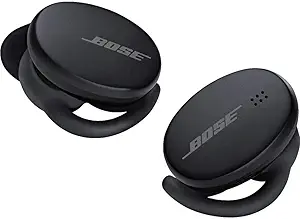
A good earbud discount can look simple until you try to wear the thing on a sweaty run, a loud bus ride, or a rushed gym session before work. That is why Bose Sport Earbuds matter again when the price falls low enough to pull in shoppers who skipped them at launch. They are not the newest buds on the shelf, and that point should shape the whole buy/no-buy call. The draw is the old Bose formula: secure fit, warm sound, light rain protection, and fewer touch points than many feature-heavy pairs. According to the official Bose support specifications, Bose lists IPX4 water resistance for the model, while retail listings describe up to 5 hours per charge and up to 15 hours with the case. For deal hunters, the key question is not “Are these the flashiest?” It is whether the Bose earbud discount makes them a smarter daily pair than newer workout earbuds with longer batteries but weaker comfort. For more practical consumer deal coverage, retail price watchers often look past the sticker and study fit, age, warranty, and real use.
Why Older Sport Audio Can Beat Newer Spec Sheets
The first mistake shoppers make with true wireless earbuds is treating the spec line like a finish line. More battery, more modes, more app menus, more microphones. It all looks better until the buds twist loose during a hill repeat or ache after a 45-minute lift. Sport audio is less about bragging rights and more about what disappears once you start moving.
That is where this model still has an argument. It was built for people who want a pair that sits firm, takes sweat, and sounds full enough without turning a workout into a settings project. For many gym-goers, the right pair is the one that survives repeat use: Monday treadmill, Wednesday weights, Saturday errands, then back in the case without drama.
Fit Still Decides the Workout
A secure fit sounds boring until it fails. One loose bud can ruin a run faster than a small battery warning because you stop trusting the gear. You start tapping it back into place at crosswalks. You turn your head less. You move around the earbud instead of letting the earbud follow you.
Bose used StayHear Max tips with a winged shape, and the Amazon listing describes that design as meant to keep the buds in place without an ear hook. That detail matters for U.S. buyers who move between treadmills, outdoor paths, office calls, and quick errands. Ear hooks can feel safer, but they also snag on sunglasses, hats, and winter beanies. A low-profile wing can be the better choice for mixed days.
The non-obvious part is that a lower price can make fit more valuable, not less. At premium pricing, shoppers expect noise canceling, long battery, and multipoint. At a deal price, the question shifts. You are no longer buying a dream setup; you are buying a tool for the part of the day when comfort beats novelty. Does the pair solve one annoying daily problem better than most cheap buds? If the answer is yes, the old model has room to win.
Sound Quality Matters More When Noise Canceling Is Missing
These are not active noise-canceling earbuds, and that should be clear before anyone clicks buy. The Amazon product comparison says Bose QuietComfort models include noise canceling while the sport version does not. That can sound like a deal breaker, but for workouts it is not always a flaw.
On a sidewalk, bike path, or public park trail, full isolation can be a problem. You need some awareness. You want to hear a car rolling through a turn, a cyclist calling out, or a dog coming from behind. For that use, sound that carries energy without sealing off the whole world can feel more natural.
The tradeoff shows up in loud gyms. If the weight room has clanking plates, a TV wall, and house music, these buds will not erase that mess. That is where a buyer has to be honest about the room, not the brand. They need volume and fit to do more of the work. A shopper who wants peace on a subway should look at noise canceling pairs. A runner who wants music, grip, and safer awareness may read the same missing feature in a kinder way.
How to Judge the Deal Before You Buy
A deal on older electronics needs a different checklist. You are not only asking whether the product is good. You are asking whether the remaining stock, seller terms, and support path make sense at the Bose earbud discount on the screen. That is the part many discount posts skip. The price tag has to absorb age risk, thinner stock, and the chance that you may need to return them after one test run.
This older sport pair should be judged like a clearance-style buy, even when the page does not use that word. The model has been around for years, and current Bose earbud pages now focus on newer QuietComfort and open-ear options with newer battery claims and features. That does not kill the deal. It changes the math for anyone comparing price, support, and daily use. Older stock can be a smart buy, but only when the savings are large enough to make the missing newer features feel acceptable.
Look at the Seller Before the Sticker
The lowest number is not always the best buy. A listing from a major U.S. retailer with clear returns can beat a cheaper third-party offer with vague condition notes. With earbuds, that matters because comfort and fit are personal. You may know within ten minutes whether the tips suit your ears. Also check whether all tip sizes are included, because missing tips can turn a good listing into a poor fit.
Best Buy’s product page has shown the sport model with a $129 price and unavailable status, plus a large review base around sound, fit, and comfort. That kind of listing is useful even when stock is thin because it tells you where older retail pricing has landed. It also reminds you to check color, condition, and whether the product is new, open-box, or renewed.
For a smart budget wireless earbud comparison, treat the seller like part of the product. A clean return window can be worth $10 or $20 because in-ear gear fails on fit more than specs. You cannot read your ear shape from a review grid.
Check Battery Expectations Against Real Days
The rated battery is up to 5 hours per charge, with the case adding more listening time. On paper, that is behind newer models. Bose’s current earbud category page lists newer in-ear models with longer per-charge battery numbers, which is exactly why older sport buds should not be bought at a premium.
Yet the battery question depends on your day. A 50-minute workout, a commute, and a few calls do not need eight hours in one stretch. Battery aging matters too, so new stock is safer than used stock when the discount is close. A long-haul traveler does need more power. A remote worker wearing buds through back-to-back video calls does too.
Here is the quiet buying rule: older battery specs are fine when the price matches the job. They are not fine when the discount is small. If the deal is deep, the pair can serve as gym-only gear and leave your premium buds for travel or work. That split setup often beats one expensive pair doing everything poorly after a year of sweat and drops.
Price Timing and Stock Reality for Older Bose Buds
The phrase “lowest price” gets attention, but stock reality decides who benefits. Older popular electronics do not always drop in a neat national wave. They surface in pockets: one color, one retailer, one warehouse, one open-box batch, one week where inventory cleanup meets shopper demand.
That uneven pattern can frustrate buyers. It can also help patient ones. If you understand why the price moves, you are less likely to panic-buy the first listing that looks rare. Deal alerts can turn shopping into a race, but older audio gear rewards people who slow down for one extra screen of details. A rushed buyer sees a slashed number. A careful buyer checks whether the color is odd, the warranty path is plain, and the return deadline leaves time for a real workout test.
Why Prices Fall in Small Bursts
Retailers do not always cut older earbuds because the product suddenly became bad. Sometimes the shelf space is needed for a newer line. Sometimes one color lingers after the black version sells down. Sometimes returns, open-box units, or regional stock appear in the system and vanish fast.
That is common in U.S. electronics shopping. A buyer in Phoenix may see one option for pickup while a buyer in Ohio sees none. A listing may show a price for search visibility but no local availability. This is why shoppers should confirm delivery date, seller name, and condition before treating any low number as real. Limited drops also make comparison tricky because one store may show a low price after the unit is no longer available.
The counterintuitive move is to avoid chasing the rarest color. If a blue or white pair drops lower than black, the better deal may be the less popular finish. Earbuds spend most of their life in your ears or case, not on a desk being judged like sneakers. Color pride can cost money.
When Waiting Saves Money and When It Costs You
Waiting helps when stock is wide and newer models are also on sale. Waiting hurts when a discontinued or older sport pair appears in limited supply at a trusted retailer. You have to read the shape of the deal, not only the price.
A useful pattern is to set a personal ceiling before you shop. Write that number down before browsing, because sale pages are built to move your line. For example, a runner who wants backup workout earbuds might decide the deal only makes sense under $100. A Bose loyalist replacing a worn pair may accept more because the fit is already proven. Those are two different buyers, and they should not share the same trigger price.
For a smart tech price drop guide, the lesson is simple: the right price is tied to your use. A bargain that sits unopened is not a bargain. A slightly higher price for a pair you wear four days a week can be the better value by month two.
Where This Sport Pair Fits in Today’s Earbud Market
The earbud market has moved fast. Newer pairs promise stronger noise control, better apps, and longer life between charges. Some budget brands now pack feature lists that would have sounded premium a few years ago. That makes any older Bose model easy to dismiss too quickly. Shoppers see a newer release year and assume the answer is settled. It rarely is, because sport audio lives in motion, not in a comparison chart.
But features are not the same as trust. Many shoppers return to Bose because the sound profile feels easy to live with. This is where older premium brands still have a lane: they may lose the spec race while winning the wear-it-again test. Not clinical. Not harsh. Not tuned only for a spec chart. For workouts, that can matter more than another menu in an app.
Who Should Consider This Deal
This deal makes the most sense for three groups. First, runners and gym users who care about a secure in-ear fit more than noise canceling. Second, shoppers who already like Bose sound and want a cheaper pair for sweat-heavy use. Third, people who need true wireless earbuds for movement, not for all-day office wear.
The best example is a parent who works out before school drop-off, takes one call in the car, then tosses the case into a work bag. Another is the office worker who keeps a gym pair in the car so the main earbuds stay clean for meetings. That person does not need a lab-grade feature set. They need buds that pair, stay put, handle sweat, and sound good enough to make the routine feel less dull.
It is not the right buy for everyone. Frequent flyers should choose stronger noise control. People who wear earbuds from breakfast to dinner should chase longer battery. Serious cyclists may prefer open-ear designs for awareness. A good deal becomes a bad one when it is pushed into the wrong job. The discount cannot fix a mismatch between the product and your day.
How It Compares With Budget Workout Earbuds
Budget workout earbuds have improved. You can find pairs with longer battery life, app EQ, and water resistance for less than many legacy audio brands charge. Some are excellent for the money. Some feel fine for two weeks, then the case hinge gets loose or the tips start bothering your ears.
Cheaper models can look fierce on paper, especially when they promise long playtime and a loud bass mode. But the first week tells the truth. If the case feels flimsy, the app nags for permissions, or the left bud connects late twice in a row, the savings start to feel thin.
Bose competes differently. It does not need to win every spec column. A cheaper pair may have a longer feature list, but that list means little if the buds loosen during burpees or sound sharp at higher volume. It needs to offer comfort, sound, and a known brand experience at a price low enough to forgive the missing extras. When that balance appears, the deal deserves attention.
The funny part is that the older design can feel calmer. No long menu. No pile of sound modes. No feature list that makes you wonder what you forgot to turn on. For a workout pair, that simplicity has value. You put them in, start moving, and judge them by whether you forget they are there.
Why Bose Sport Earbuds Still Deserve a Look at the Right Price
The best deals are not always on the newest products. Sometimes they are on the models that have aged into the right role. Bose Sport Earbuds sit in that lane now: not the most advanced choice, not the best travel pair, not the battery king, but still useful when the discount is strong enough.
That is the honest way to read this price drop. You are buying a sport-first pair with known limits and a clear upside. The secure fit, IPX4 rating, warm sound, and simple case make sense for workouts and everyday movement. The missing noise canceling and shorter battery make less sense for planes, long desk days, and heavy call use. Both things can be true. That balance is what separates a smart discount from a blind brand purchase.
If the seller is trusted, the return terms are clear, and the price lands well below newer Bose options, this can be a sharp buy rather than a nostalgia purchase. Check the condition, compare it with current alternatives, and move only when the deal matches your actual routine.
Frequently Asked Questions
How much should I pay for older Bose workout earbuds?
A fair price depends on condition, seller, and return terms. New stock from a trusted retailer can justify more than a third-party listing with unclear history. For an older sport pair, the price should sit low enough to offset shorter battery life and missing noise canceling.
Is this a good choice for running outside?
Yes, it can work well for outdoor running because the fit is secure and the IPX4 rating covers sweat and light splashes. It does not block the world like noise-canceling models, which can help you stay more aware near traffic and other people.
Do these earbuds have active noise canceling?
No. They are built more for movement, fit, and sport use than for silence. Buyers who want less train noise, airplane rumble, or office chatter should compare newer noise-canceling earbuds before choosing this pair.
Are true wireless earbuds good for gym workouts?
They can be excellent when the fit is stable and the controls are easy to use. Gym earbuds need to handle sweat, quick movement, and bag storage. A secure tip design matters more than a long feature list once the workout starts.
What should I check before buying a discounted pair?
Check whether the item is new, open-box, renewed, or used. Confirm the seller, return window, included tips, charging case, and color. Also compare the final checkout price after shipping because small fees can erase the deal.
Is a Bose earbuds deal better than buying budget brands?
It depends on your priorities. Bose can make sense if you value sound, fit, and brand support. Budget brands may offer longer battery or more app features for less. The better buy is the one that matches your daily routine.
Can I use sport earbuds for phone calls?
Yes, but call quality will vary with wind, traffic, and room noise. They are fine for quick calls, yet not the best pick for people who spend hours in meetings. For work-heavy use, compare newer earbuds with stronger microphone systems.
Should I buy them if I already own premium earbuds?
Yes, if you want a separate workout pair and the price is low. Keeping sweat and gym wear away from your premium earbuds can make sense. It also gives you a backup pair for travel bags, office drawers, or quick errands.