
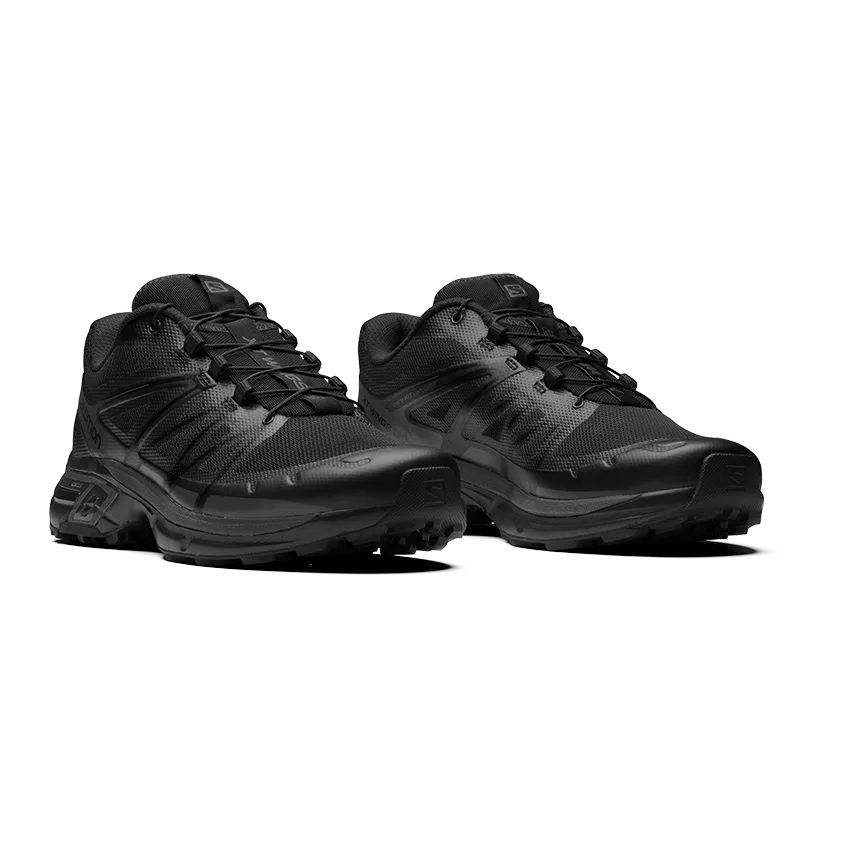
A shoe can become loud without looking loud. That is the odd pull behind the Salomon XT Wings 2 Trail Running Shoe, a release drawing attention from American runners, hikers, sneaker buyers, and people who want one pair that can handle dirt paths without looking out of place at a coffee stop. The talk makes sense. Salomon’s own product language points to a chassis and upper made to hold the foot with confidence, which is the exact detail shoppers notice once they stop judging the shoe by color and start thinking about uneven ground.
This is not only a hype story. It is a fit story, a traction story, and a timing story. More Americans are mixing easy trail days with city miles, weekend travel, dog walks, gravel paths, and short hikes. That blend rewards technical trail footwear that feels secure but does not punish you with boot-like stiffness. For readers tracking outdoor product coverage, new gear release updates can help separate useful design from noise. The better question is not whether the buzz is real. It is whether the shoe matches how you move.
Why the Salomon XT Wings 2 Is Catching Attention in the U.S.
The appeal starts with a small shift in how people now buy outdoor gear. A lot of shoppers no longer split their closet into “serious trail” and “daily wear.” They want a pair that can take a dusty fire road in Colorado, a wet park loop in Oregon, or a long airport walk before a hiking trip. The Salomon XT Wings 2 sits right inside that overlap, where outdoor function and street-ready shape meet without feeling forced.
That overlap is where the tension lives. A shoe that looks too technical can feel awkward with normal clothes. A shoe that looks too casual can feel shaky once rocks, roots, and soft dirt show up. This model gets attention because it tries to keep the old mountain DNA visible while giving buyers a shape they can wear beyond a trailhead.
The return of technical trail footwear as daily gear
Technical trail footwear used to be a narrow buy. You bought it for races, muddy training loops, or long hikes where traction mattered more than looks. Now it has become part of the daily uniform for people who still care about function, even on days when they are not running.
That does not mean everyone buying the shoe is racing on singletrack. In the U.S., a buyer in Denver may wear it on packed dirt near Red Rocks, while a buyer in Brooklyn may wear it for wet sidewalks and weekend travel. Those are different use cases, but both reward a stable base, grippy rubber, and a secure upper.
The non-obvious part is that fashion helped people rediscover function. A trend can look shallow from the outside, yet it can push shoppers toward better gear. Someone may start with the look, then notice how much better a technical shoe feels on broken pavement, slick stairs, or loose gravel.
Why the shape matters before the first run
The first thing people notice is not the spec sheet. It is the stance. The XT Wings line has a planted look, with enough structure to suggest control without the heavy, blocky feel of a boot. That matters because confidence often starts before your foot hits dirt.
A runner coming from soft road shoes may expect comfort to mean bounce. On trail, too much softness can work against you. When the ground tilts or breaks underfoot, a shoe that keeps your foot centered can feel safer than one that feels plush in a store aisle.
Think about a short morning run in Asheville after rain. The path looks calm, then a slanted patch of wet leaves appears on a downhill turn. A loose upper makes your foot slide inside the shoe. A more held fit gives you a cleaner chance to step, correct, and keep moving.
How This Trail Running Shoe Handles Fit, Grip, and Control
A good off-road pair does not need to feel dramatic. It needs to disappear in the right places and speak up in the right moments. The best praise for this kind of shoe is simple: your foot stays where you put it. Salomon says the chassis and upper on the XT-Wings 2 are designed to hold the foot, and that lines up with why the model draws attention among people who care about stable movement.
Fit is where many buyers make the wrong call. They stand on flat store flooring, take six steps, and judge comfort as if the ground will stay polite. Trails are not polite. They twist your foot, push your toes forward on descents, and punish extra space inside the shoe.
The lockdown story behind the Quicklace feel
Salomon’s Quicklace system is a one-pull setup that tightens across the foot and tucks away inside the tongue pocket, which keeps extra lace out of the way while you move. That sounds like a small detail until you are on a dusty path and do not want to stop to retie a knot with cold hands.
The real value is even pressure. Traditional laces can create hot spots if one section gets pulled harder than another. A fast lace system can still be set wrong, but when it works, it gives you a clean wrap across the midfoot. That helps on short descents, quick side steps, and uneven turns.
A counterintuitive point: easy lacing does not mean lazy fit. You still need to adjust the tongue, heel, and sock thickness. The quick system saves time, but it does not replace attention. A rushed setup can turn a smart shoe into an annoying one by mile three.
Grip that makes sense for mixed American terrain
American trails change fast. A park loop in Austin can move from packed dust to limestone. A Northeast trail can shift from roots to damp boards in a few minutes. Western fire roads can feel smooth until loose gravel piles at the edge of a turn. That is why an off-road running sneaker needs more than soft foam.
The grip story is not only about deep lugs. It is about how the outsole, midsole, and upper work together. If the outsole bites but the upper lets your foot slide, control still suffers. If the upper locks down but the base feels narrow, you may feel nervous on rough descents.
This is where the XT Wings 2 gets its buzz from practical shoppers, not only sneaker collectors. It looks like a style release, yet the appeal comes from old outdoor logic: keep the foot stable, keep the base predictable, and let the runner read the ground. For a deeper gear prep angle, add it beside a trail gear buying checklist before picking a size or color.
Where It Fits: Trails, Travel, and Everyday Miles
The smartest way to judge the Salomon XT Wings 2 is to stop asking whether it is for one single use. It is better to ask where it sits on the line between trail tool and daily shoe. That line is the reason people keep talking. A pure race shoe may feel too narrow for casual wear. A fashion sneaker may fail on dirt. This pair aims for the middle.
The middle is not a compromise when your life is mixed. It can be the point. If you leave home for a weekend in Flagstaff, Chattanooga, or Bend, you may walk downtown, hit a short trail, drive to a lookout, and stop for dinner without changing shoes. One pair that can survive that full day earns its place.
The off-road running sneaker for people who do more than run
The phrase off-road running sneaker fits this release because many buyers do more than train. They travel, walk dogs, chase kids around campsites, and take trail detours after work. A shoe that can handle those uses has to feel supportive without acting stiff and formal.
That matters for newer trail users. Someone moving from gym shoes to dirt paths may not want an aggressive mountain model on day one. They want a pair that tells them where the ground is, but does not make each step feel like a test. The XT Wings 2 has enough outdoor character to guide that buyer toward better footing.
The overlooked benefit is mental. When your shoe feels steady, you look farther ahead instead of staring at every rock. That changes posture. It changes pace. It can also make a short trail feel less tense, which is how many people stay with outdoor running after the first awkward month.
When it makes more sense than a softer road shoe
A soft road shoe can feel great on clean pavement and wrong on broken ground. The foam may wobble when the trail tilts. The outsole may clog on damp dirt. The upper may stretch when you need it to hold. None of those problems appear in a mall try-on, which is why returns happen.
If your routes include crushed gravel, park trails, light mud, dry roots, or uneven shoulders, technical trail footwear becomes a safer choice than a road pair with pretty tread. The decision is less about how extreme the route looks and more about how often your foot lands at odd angles.
A good example is a runner in suburban Pennsylvania who spends half the week on sidewalks and the weekend on a rail trail with muddy side paths. A race-focused mountain shoe may be too much. A soft road trainer may be too little. The XT Wings 2 makes sense because the terrain is mixed, not because the runner is extreme.
Buying Smart Before the Release Sells Through
Attention can make people buy too fast. That is the danger with any talked-about drop. When sizes start moving, shoppers get nervous, then pick the wrong pair because a color is still available. The better move is dull but useful: decide your use case, check fit notes, compare return rules, and buy the pair that matches your foot.
Salomon’s U.S. launch calendar shows how fast its performance and sportstyle lines can move through new releases, from road models to XT-family sneakers. That does not prove any single product will vanish, but it does show why shoppers watch drops closely. Scarcity changes behavior, and smart buyers should resist the rush.
Fit checks that matter more than color
Color gets the first click. Fit decides whether you keep the shoe. Salomon’s size guide exists for a reason: size conversions and measurements help reduce bad online orders, especially when buyers move across brands or international sizing systems. For a broader footwear match, keep a guide to choosing running shoes nearby before you order.
Try to think like a trail runner even if you are buying for daily wear. Your toes need room for downhill movement. Your heel should feel held without rubbing. Your midfoot should feel wrapped, not squeezed. If the shoe feels sharp on the top of your foot at home, it will not become kinder after a rocky hour outside.
The counterintuitive advice is to ignore the best-looking color if the size is wrong. A rare shade does not fix heel slip. It does not fix toe pressure. People remember compliments for a minute, but they remember bad fit for the whole day.
How to compare it against other Salomon trail pairs
Salomon has several models with trail roots, and that can confuse buyers. The XT-6 often gets more style attention. Other models may lean more toward current run training. The XT Wings 2 stands out for buyers who want a heritage feel, visible structure, and enough function for mixed outdoor use.
Do not compare only by price or hype. Compare by route. If your weekly life is mostly pavement with rare park paths, you may want a softer daily trainer. If you hike with a loaded pack or face rough mountain weather, you may need more protection. If you live in the middle zone, this release deserves a close look.
Trail culture also has a wider frame than shopping. The International Trail Running Association describes itself as a global reference body for the sport, which shows how large and organized the community has become beyond casual weekend miles. A shoe like this rides that wider wave, but your foot and your route still get the final vote.
Conclusion
The release chatter around this shoe is not hard to decode. People are tired of choosing between gear that works and sneakers that fit daily life. They want both, and they want it without a costume change at the trailhead. That is why this trail running shoe keeps drawing notice from runners, walkers, travelers, and style-aware outdoor fans.
The Salomon XT Wings 2 succeeds when you judge it by real movement instead of buzz. Its best case is mixed terrain, steady footing, and all-day usefulness, not some fantasy of elite mountain racing. That makes it more practical than the hype suggests, which is rare in a crowded sneaker cycle.
Buy it for the right reason. Match it to your routes, check the fit, and ignore panic buying if the size is wrong. The smartest pair is not the one everyone talks about. It is the one you reach for again next weekend.
Frequently Asked Questions
Is the Salomon XT Wings 2 good for beginners?
Yes, it can work well for beginners who want more control on dirt, gravel, and park paths. The secure feel may help new trail users feel less nervous on uneven ground. Fit still matters, so avoid buying only by color or trend.
Can I wear the Salomon XT Wings 2 for everyday walking?
Yes, many buyers will use it for daily walking because it has a stable outdoor shape without looking like a heavy hiking boot. It may feel firmer than a soft lifestyle sneaker, which some people prefer for long days on mixed surfaces.
Does the Salomon XT Wings 2 run true to size?
Sizing can vary by foot shape, sock choice, and past brand experience. Check Salomon’s size guide before ordering, and leave enough toe room for downhill movement. A snug midfoot is fine, but toe pressure is a warning sign.
Is the XT Wings 2 better for trails or city wear?
It makes the most sense for people who split time between both. Pure city users may not need the added grip and structure. Trail-only runners may compare it with newer training models. Its strength is mixed use.
What type of terrain suits this shoe best?
Packed dirt, gravel, light roots, dry park trails, and uneven urban surfaces are the natural fit. For deep mud, snow, or sharp alpine routes, you may want a more specialized option with stronger protection or weather-focused features.
How should I clean Salomon trail sneakers after dirt runs?
Remove the insoles, loosen the laces, rinse off mud with water, and let the shoes dry at room temperature. Avoid direct heat because it can damage materials. A soft brush helps when dirt sits inside outsole grooves.
Is the Salomon XT Wings 2 worth buying for travel?
Yes, if your trips mix walking, light hikes, airport time, and casual outfits. It can reduce the need for packing a second outdoor pair. For dressier trips or long road runs, another shoe may fit the plan better.
What should I compare before buying this release?
Compare fit, route type, return policy, outsole feel, and how often you will wear it off pavement. The right choice depends on your week, not the loudest release talk. A smart buy should solve a real movement problem.