
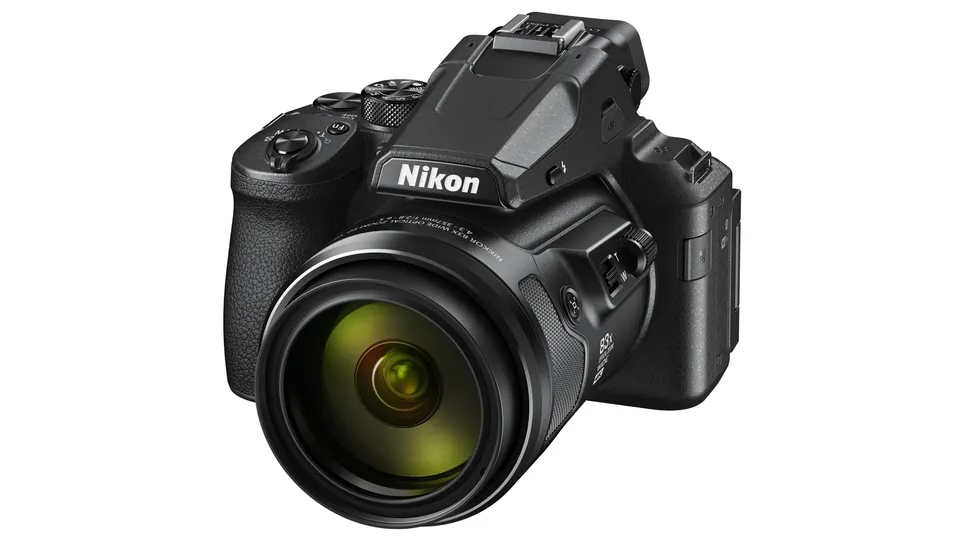
Summer mornings have a way of turning ordinary backyards into small wildlife stages, especially when cardinals, warblers, hawks, and hummingbirds start moving before the heat settles in. That is why the Nikon Coolpix P950 is getting fresh attention from U.S. shoppers who want a long-reach bird photography camera without building a full lens bag. Nikon lists the camera with an 83x optical zoom that covers a 24mm to 2,000mm equivalent range, plus 4K UHD video and a vari-angle screen, which explains why it keeps popping up in restock chatter among birders. For readers tracking gear drops through camera deal notes, the appeal is simple: this is a bridge camera for people who may care more about catching a blue jay on a fence rail than comparing sensor charts all afternoon. It is not the perfect camera for every photographer. It is a practical one for a certain kind of American buyer: backyard birders, refuge visitors, parents on weekend hikes, and anyone tired of watching a small bird become a blur on a phone screen.
The Birding Boom Made Superzoom Cameras Feel Useful Again
Birding used to look like a quiet hobby from the outside, but the numbers tell a bigger story. The U.S. Fish and Wildlife Service says 96 million people in the United States engage in birding, and 91 million watch from home, which means the feeder outside a kitchen window now sits inside a huge consumer habit. That matters for cameras because backyard birding creates a strange gear problem. The subject is close enough to tempt you, but far enough to expose every weakness in a phone, a cheap compact, or a short kit lens. The buyer may not call themselves a photographer yet. They may be someone who set up a feeder during winter, learned two calls in spring, and now wants a sharper record of what keeps landing near the porch.
Backyard birds changed the shopping math
A goldfinch on a thistle feeder is not a studio subject. It turns its head, hops to the back side of the feeder, vanishes, then returns when your hands are cold and your coffee has gone flat. You do not need a giant pro rig to enjoy that moment, but you do need reach, fast handling, and a screen or viewfinder that helps you frame without waving your arms around.
That is where the bridge camera came back into the conversation. It gives casual birders one body, one built-in lens, and enough zoom to make the frame feel alive. Someone in suburban Pennsylvania can stand inside a sliding glass door and still frame a red-bellied woodpecker on a maple trunk. Someone in Arizona can point across a wash and get more than a speck of a cactus wren.
The counterintuitive part is that the birding boom did not make every buyer more technical. It made many buyers more practical. Plenty of shoppers are not asking for a camera system. They are asking for proof that the bird they saw was an indigo bunting, not a shadow with wings.
That shift changes the value of a camera. A spec sheet may impress forum readers, but a clear bird image impresses the person who waited three weeks for one species to visit. In that world, ease beats bragging rights.
Long zoom solves a real field problem
A long lens is not only about making birds look large. It is about staying back. Audubon’s ethics guide says the welfare of birds and their habitat should come before the photographer’s wish for a perfect image, and it advises using telephoto reach and enough distance so birds can behave naturally. That point matters in parks, marshes, beaches, and nesting areas where a few steps too many can flush a bird that needs to feed or rest.
A superzoom does not make a careless photographer ethical. No camera can do that. But it gives a patient person a better chance to get the image without crowding the subject. At Cape May in New Jersey, you may have rails, warblers, gulls, and raptors in the same outing. Walking closer is often the worst answer. Waiting still and zooming carefully is usually better.
This is why the demand surge around a long-reach bird photography camera feels believable. The need is plain. Birds are small, skittish, and often lit badly. The tool that helps most is not always the newest mirrorless body. Sometimes it is the one that keeps you quiet, steady, and far enough away.
There is also a social reason. Bird photos are easy to share with family members who may not know a warbler from a sparrow. A clean frame invites someone into the hobby. A tiny dot in a tree does not.
Why Nikon Coolpix P950 Stock Still Pulls Birders In
The appeal starts with reach, but it does not end there. The official Nikon specifications list a 16-megapixel sensor, 83x optical zoom, Dual Detect Optical VR rated at an effect equal to 5.5 stops under Nikon’s stated test conditions, RAW support, and a mode dial that includes Moon and Bird-watching modes. For a buyer comparing this to a phone or a beginner mirrorless kit, that mix answers one question fast: can I photograph small, distant wildlife without buying separate lenses? The answer is not the same as asking whether it can replace a pro wildlife kit. It cannot. But for a birder who wants reach before they want a drawer full of lenses, the value case is clear.
The 83x optical zoom is the headline, but not the whole story
The 83x optical zoom is the reason people stop scrolling. A 24mm to 2,000mm equivalent range means you can move from a wide view of a wetland boardwalk to a tight frame of a heron across the water. It is the kind of range that sounds wild until you try to photograph birds with a 55-200mm kit lens and discover how much empty space surrounds the subject.
Still, zoom alone does not save the shot. At long focal lengths, every shake gets louder. Heat shimmer softens distant subjects. A busy branch can fool autofocus. The better way to think about this camera is not “2,000mm fixes everything.” It is “2,000mm gives me a seat at the table.”
That is a healthier expectation. You still need morning light, a steady grip, and a willingness to take several frames when a bird turns. The win is that you can learn those habits on one device instead of buying a body, adapter, tripod collar, and a lens that costs more than a family weekend away.
This also helps beginners see what they enjoy. Some people discover they love patient backyard work. Others want shorebirds, hawks, or moon shots. A fixed all-in-one setup lets you learn your habits before you spend deeper.
A bridge camera works because it removes lens decisions
Lens decisions sound fun until you are standing near a pond with a belted kingfisher moving like a spark over the water. Do you want the wide lens, the telephoto, the extender, the backup body, or the lighter setup you left in the car? By the time you decide, the bird is gone.
This is where a bridge camera earns its keep. It trades some image quality potential for speed and simplicity. You turn it on, zoom, compose, and shoot. For many U.S. birders, that trade is not a weakness. It is the whole point.
One example makes the case. A parent walking a local greenway in North Carolina may see an egret, a turtle, a butterfly, and a kid scoring a soccer goal in the same hour. A dedicated wildlife lens would handle one job well. An all-in-one superzoom handles the messy day better. That messy day is how most people take pictures.
The hidden benefit is confidence. When the camera is always wearing the right lens, you stop second-guessing and start observing. For wildlife, that mental shift matters. The slower you are inside your own head, the faster the bird seems.
What the Restock Means Before You Buy
Restock language can make shoppers feel rushed, but camera stock is not one clean story across every retailer. Some specialty listings have shown discontinued or out-of-stock signals, while Best Buy marketplace pages have shown new and bundle buying options for the model. Treat that mixed picture as a buying clue. It may be available, but you should inspect the seller, bundle contents, return window, and warranty before you celebrate a cart page. A restock headline should start the research, not end it.
Restock does not mean buy with your eyes closed
A restock can mean several things. It may be direct retail inventory. It may be third-party marketplace stock. It may be a bundle from a camera seller with extras you do not need. It may also be old inventory surfacing after demand pushes people to search again. Those are not the same purchase.
For U.S. buyers, the first check is the seller line. If the camera is sold by a marketplace vendor, read the return terms before the price. Then check whether it is new, open-box, renewed, gray-market, or bundled. A low sticker price loses its shine if the return period is short or the warranty path is unclear.
This is where patience can save money. Bird season creates urgency, especially before migration trips or vacation weekends. But a camera that arrives late, lacks the expected warranty, or includes weak accessories can turn a good deal into a headache.
Use a simple rule: if the listing makes you work too hard to understand what you are buying, walk away. Good sellers make condition, warranty, and shipping plain. Confusing listings often hide the cost somewhere else.
Check the bundle before you chase the cart button
Bundles can be helpful when they include a proper memory card, spare battery, lens cloth, or case. They can also be padded with flimsy tripods, off-brand filters, and card readers that look better in the product photo than in your hand. The P950 needs practical support, not a box of clutter.
A smart birding kit is simple. Start with a fast-enough SD card, one spare battery, a comfortable strap, and maybe a monopod if you shoot from overlooks or refuges. Add a small bag that opens fast. The best accessory is often the one that keeps you from missing the shot while you fight a zipper.
If you are comparing options, keep one internal checklist beside you: how to choose camera gear for wildlife trips. Then make a second list for the photos you take most often. A backyard birder in Ohio does not need the same add-ons as a traveler heading to Bosque del Apache or the Everglades.
One more detail matters: weight. The camera already gives you long reach in a single body, so do not rebuild the burden with accessories. A light kit that leaves the house will beat a stuffed bag that stays in the closet.
How to Get Better Bird Photos Without Overspending
A restock may get the camera into your hands, but technique decides whether the photos feel worth keeping. The good news is that bird photography rewards habits more than luxury. You can improve fast by learning light, distance, timing, and field behavior. The gear matters, but it should serve the moment. Once you accept that, the buying decision feels calmer. You are not chasing the perfect setup. You are choosing a tool that lets you practice more often.
Start with light, distance, and patience
The easiest mistake is to use all the zoom all the time. Full reach is useful, but it magnifies haze, shake, and focus errors. Many stronger bird images happen a little wider, where the subject has room to breathe and the background tells the story. A heron in reeds can be more interesting than a tight crop of a beak.
Morning and late afternoon light help because the angle is lower and the air often looks cleaner. Stand with the sun behind you when you can. Use the viewfinder for stability. Brace your elbows. Take a burst when the bird turns its head, then stop and watch. Bird photography is half shooting and half not scaring anything away.
The non-obvious trick is to study perches. Birds repeat patterns. A phoebe may return to the same fence post. A hummingbird may pause on the same twig before feeding. A camera with reach helps, but seeing the pattern helps more. That is the skill that makes a bird photography camera feel better every week.
Try one small drill: pick a single perch near your yard or local trail and photograph it for ten minutes before any bird lands. Lock in the background, check the light, and decide where the bird’s head should sit in the frame. When the bird arrives, you are no longer starting from zero.
Keep ethics ahead of the shot
There is a hard truth in bird photography: the closer photo is not always the better photo. If the bird changes posture, stops feeding, calls in alarm, or flushes, the session has already gone too far. Long zoom should be used as a way to give wildlife space, not as a reason to keep pressing forward.
Avoid sharing exact locations for nests, owls, rare birds, or stressed wildlife. Skip baiting. Be careful with call playback, especially during nesting season. Those habits matter more now because social media can send crowds to fragile spots faster than any old birding hotline ever did.
The best photos come from trust in the scene. Sit still at a refuge blind. Let the marsh wake up around you. Wait through the boring ten minutes. Then, when the bird steps into clean light, you are ready. For more practice ideas, save beginner bird photography tips and build a routine before your next weekend walk.
Conclusion
The renewed attention around this long-zoom Nikon is not hard to understand. Birding has become a huge American habit, and many people want a camera that lets them enjoy it without turning every walk into a gear project. The Nikon Coolpix P950 fits that mood because it gives reach, handling, and flexibility in one package, while still asking the photographer to bring patience and judgment. It will not beat a high-end wildlife setup in low light, fast action, or fine detail. That is not the promise. The better promise is more modest and more useful: a stronger chance of bringing home the bird you saw, framed well enough to remember the moment. If you spot a clean restock from a seller you trust, read the terms, skip weak bundle padding, and buy for the kind of birding you do. Let the specs serve the walk, not the other way around. The smartest camera purchase is the one that gets used when the feeder gets busy.
Frequently Asked Questions
Is the P950 a good camera for beginner bird photography?
Yes, it suits beginners who want strong reach without changing lenses. The built-in zoom helps with backyard birds, wetlands, and park trails. You still need steady hands, decent light, and patience, but the learning curve is friendlier than a multi-lens camera setup.
How far can the 83x optical zoom reach for birds?
The lens covers a 24mm to 2,000mm equivalent range, so it can frame distant birds that phones and short kit lenses cannot handle well. Real results depend on light, air clarity, subject movement, and how steady you keep the camera.
Is a bridge camera better than a mirrorless camera for birding?
It depends on your goal. A mirrorless camera with a strong wildlife lens can produce cleaner files and faster action shots. A bridge camera is easier to carry, cheaper than many lens kits, and better for casual birders who want one all-in-one tool.
Should I buy a bundle or the camera body only?
Buy a bundle only when the extras are useful. A spare battery, solid memory card, and protective bag can help. Skip bundles padded with weak tripods, generic filters, or accessories you would never choose on their own.
Can this camera shoot birds in flight?
It can shoot birds in flight, but it takes practice. Use good light, keep the bird in open sky when possible, and avoid max zoom until your tracking improves. Fast swallows or small warblers will still be tough for any casual setup.
What settings should I try first for backyard birds?
Start with bird-watching mode or a shutter-priority setup in bright light. Use the viewfinder, brace your elbows, and take short bursts when the bird turns its head. Keep the feeder area clean, and pre-focus on perches birds already use.
Is the P950 still worth buying if newer superzooms exist?
Yes, if the price, seller, and warranty make sense. Newer models may offer longer reach or updated handling, but many birders do not need the longest spec. They need a camera they can afford, carry, and understand.
What should I check before ordering during a restock?
Check whether the seller is authorized or trusted, whether the item is new or open-box, and whether the return window fits your schedule. Confirm the warranty, shipping date, and bundle contents before paying. Stock pressure should not replace careful buying.