

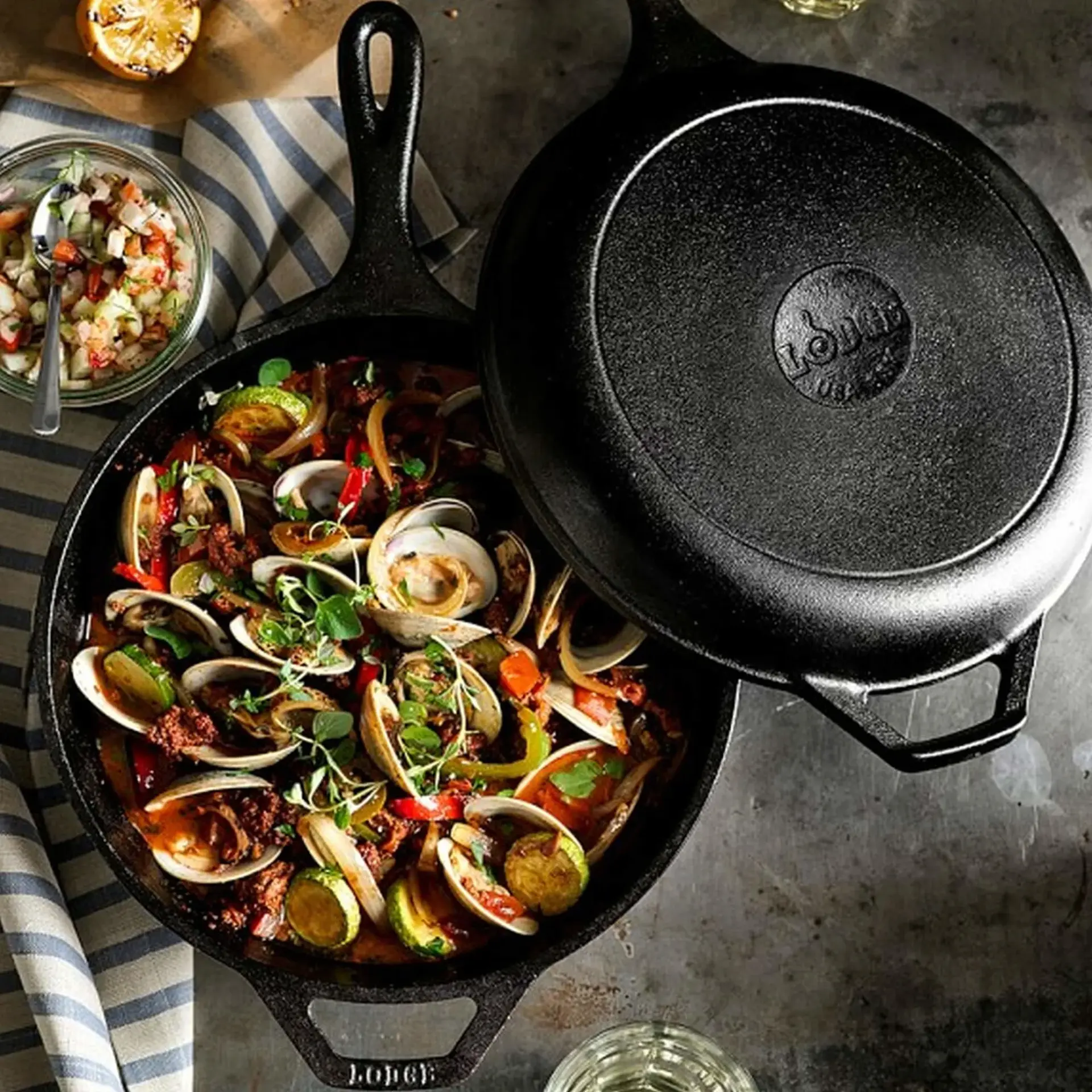
A good pan sale does not feel exciting until you remember how often the weak ones end up in the trash. The cast iron skillet in this deal has the kind of appeal USA home cooks understand fast: it is simple, heavy, plain, and built for real meals instead of showroom photos. Lodge’s current classic line sits in the same affordable zone, with its 10.25-inch and 12-inch pans listed around the mid-$20 to low-$30 range on the brand’s site, while recent retail coverage has shown 12-inch Lodge cookware dipping near that same deal band. That is why this price drop is catching attention. It is not about owning a trendy kitchen object. It is about buying one tool that can brown sausage on a Tuesday, bake cornbread on Sunday, and survive a camping grate in July. For readers who track smart shopping alerts, this is the sort of deal that earns a second look because the value is tied to use, not hype.
Why the Deal Is Pulling Budget Cooks Back to Heavy Cookware
The kitchen aisle has trained shoppers to chase lighter, shinier, easier-looking pans. A new nonstick pan promises clean eggs, no scrubbing, and no learning curve. Then the coating gets tired, the center warps, or the bottom spins on a glass cooktop. That is the friction behind the renewed interest in old-school iron. People are tired of replacing pans that looked modern but aged poorly.
A Lodge skillet deal lands differently because the product does not ask you to believe in a new feature. It asks you to believe in weight, heat, and habit. That sounds plain, but plain is useful when grocery prices are high and a home cook wants fewer throwaway buys.
The timing also fits the way many Americans cook now. More people are splitting meals between indoor stoves, patio grills, and weekend trips. A pan that can handle all three places feels less like a specialty item and more like kitchen insurance.
The price gap matters more than the discount tag
A sale tag can fool you. A pan marked down from a high list price may still be a bad buy if it does one job and takes up half a cabinet. The better question is boring: how many meals can this thing handle before you regret storing it?
That is where a low price on a Pro Logic pan gets interesting. A $20 to $30 purchase can serve steak, pancakes, hash browns, chicken thighs, roasted vegetables, and skillet cookies. It can move from burner to oven without a second tool. Lodge says its classic pans are made in the USA, seasoned with vegetable oil, and compatible with stovetops, ovens, grills, campfires, and induction surfaces.
Think about a family in Ohio making smash burgers on Friday night. A thin nonstick pan may cool down once cold beef hits the surface. Iron holds heat with more patience. The burgers brown instead of steaming, and that small difference makes dinner feel less like a compromise.
The lower price also changes the risk. A shopper who would never spend $150 on boutique iron may try Lodge because the entry point feels sane. That matters. The first good pan often teaches more than a shelf of gadgets.
A cheaper pan can still feel permanent
Low-cost kitchen gear often feels temporary. You buy it because the budget says yes, not because you expect it to stay. This is the odd thing about a budget kitchen pan made from iron: the low price does not mean short life. It may be the opposite.
The first week can feel rough. Food may stick if the pan is underheated. The handle gets hot. The surface may not look as polished as expensive boutique iron. None of that means the pan has failed. It means the cook has to learn its rhythm.
Here is the part many buyers miss: the bargain improves when you use it. Fried eggs, bacon, onions, tortillas, and shallow frying all add to the pan’s cooking surface over time. You are not protecting a factory coating. You are building your own. That is why an old pan in a grandmother’s cabinet can outperform something fresh from a box.
A permanent-feeling tool also changes how you treat dinner. You stop babying it. You scrape, roast, toast, and test. That is where confidence starts, and confidence is often the missing ingredient in budget cooking.
What Makes a Lodge Skillet Deal Worth Checking Before You Buy
Not all discounted listings are equal, and this is where shoppers need to slow down. Retail pages sometimes use similar photos for different sizes. Some include a silicone handle holder. Some are bare. Some are older model names, while others are current classic versions. The deal may still be good, but the cart should match the kitchen you have.
This matters more with iron than with many pans because size and weight change the way you cook. A 12-inch pan can feed a family, but it can feel clumsy on a small apartment burner. A 10.25-inch pan is easier to lift, yet it may crowd four chicken thighs. The right choice is less about the biggest discount and more about the meals you repeat.
Pre seasoned cookware can sound finished, as if the surface needs no learning at all. That wording helps new buyers feel ready, but it can also create the wrong expectation. The seasoning is a head start, not a promise that scrambled eggs will slide on day one.
Size, weight, and burner fit shape the daily experience
A big iron pan sounds like the safer pick until you try washing it in a small sink. A smaller one sounds practical until you cook bacon in two batches and lose patience. The number on the listing matters, but your stove matters more.
A 12-inch pan wants room. It works well on a wide gas burner, a roomy electric coil, or a grill. On a small glass cooktop, the outer edge may heat slower than the center. That does not ruin the pan, but it changes how you cook. You may need to rotate food or preheat longer.
For a single cook in a Denver studio, the smaller Pro Logic size may see more action than the family-size option. For a Texas household making breakfast tacos on weekends, the larger pan can earn its space. A deal is only a deal when the pan leaves the cabinet.
Weight deserves the same honest check. Some cooks love the stable feel. Others will hate lifting it from sink to stove. The best sale is not always the biggest pan; sometimes it is the one you can handle on a tired Tuesday.
Sale listings can hide small model differences
The words on the product page deserve attention. “Pro Logic,” “classic,” “seasoned,” “deep,” “dual-handle,” and “chef collection” can point to different shapes. Photos are helpful, but they are not enough. Look for diameter, helper handle, pour spouts, depth, and what comes in the box.
Retailers also change bundles. One week the pan includes a red silicone grip. Another week the same image may show the grip, yet the details exclude it. A $3 difference can matter less than whether you need to buy a handle cover after checkout.
This is why the Lodge skillet deal should be judged like a tool purchase, not a décor purchase. Check the size, shipping cost, return window, and whether the seller is the main retailer or a marketplace vendor. A lower price from a shaky seller can become a longer errand.
There is one more detail people skip: rim measurement. Some recipes call for a 10-inch or 12-inch pan, but the cooking floor is smaller than the top edge. If you make cornbread, deep-dish cookies, or skillet lasagna, that lost space can matter more than the headline size.
Why This Cast Iron Skillet Deal Feels Different From Ordinary Cookware Sales
Most cookware sales sell speed. This one sells patience. That sounds strange for a price-drop article, but it is the reason people talk about these pans after the sale ends. A nonstick pan is at its best on day one. Iron often gets better after a month of weeknight use.
That flips the usual shopping logic. You are not only asking, “How cheap is it today?” You are asking, “Will I still reach for it next summer?” For a lot of American kitchens, the answer is yes, as long as the buyer knows what the pan does well and what it refuses to do.
The deal also feels different because the pan has no hidden service cost. No filters, capsules, coatings, subscriptions, or replacement plates sit behind the purchase. The upkeep is time and care, which is not nothing. But it is honest.
The best value shows up after the tenth meal
The first meal is not the test. Many new owners cook eggs too soon, use too little fat, or move food before it releases. Then they blame the pan. That is like judging a grill before the grates are hot.
A better first test is something forgiving: bacon, onions, cornbread, grilled cheese, or chicken thighs. These foods teach the timing without punishing you too much. Once the surface has cooked a few oily meals, the pan starts to feel less stubborn.
Serious Eats has ranked a Lodge model as its top cast-iron pick, praising its searing ability and low cost compared with many competitors. That does not mean it is the fanciest pan. It means the value shows up where it counts: heat, browning, and price.
By meal ten, you know more than any star rating can tell you. You know whether the handle bothers you. You know whether the pan fits your sink. You know if your stove heats it evenly. That lived feedback is worth more than a polished product photo.
Rougher texture is not always a flaw
Many shoppers run a finger across new iron and wonder why it feels sandy. Expensive vintage-style pans may feel smoother. That difference is real. It does not automatically decide dinner.
A rougher cooking surface can still build seasoning and release food well when heated correctly. The non-obvious point is that smoothness matters less for some meals than moisture control. A wet steak in a smooth pan still steams. A dry steak in a rough Lodge pan can brown well if the pan is hot and the cook waits.
That is why a bargain pan should not be treated like a fragile object. Use it for loud cooking. Sear pork chops. Toast tortillas. Bake a thick-edged cornbread. Let the surface earn its shine through meals, not through wishful cabinet storage.
There is a small mental shift here. A slick pan invites you to avoid mess. Iron invites you to manage it. Once that clicks, the rough surface feels less like a defect and more like a starting texture.
How USA Home Cooks Should Judge This Price Drop at Home
The smartest buyer does not ask whether the internet likes the pan. The smarter question is whether the pan fits the life around your stove. A parent cooking after work, a college student in a rental, and a backyard camper may all want the same discount for different reasons.
A Pro Logic pan is not the right answer for each kitchen. It is heavy, it needs drying, and it will punish careless storage. But for cooks who want one pan that handles high heat without acting delicate, the sale makes sense.
This is also where the secondhand comparison gets interesting. Thrifted iron can be a steal, but it may require rust removal or reseasoning. A discounted new Lodge gives a beginner fewer unknowns while keeping the price low enough to feel approachable.
Think about the meals you cook on weeknights
Do not buy the deal for the imaginary meals you hope to cook someday. Buy it for the meals you already repeat. If your week includes burgers, eggs, potatoes, chicken, quesadillas, and oven-finished chops, the pan will work hard.
If your cooking is mostly tomato-heavy simmering, delicate fish, and fast omelets before work, it may not become your main pan. Acidic sauces can be done in seasoned iron for short periods, but they are not the best first job for a new surface. A stainless pan may be friendlier there.
The budget kitchen pan label fits best when the pan replaces two weaker tools. A young couple in Florida might use it for weeknight chicken, weekend biscuits, and balcony-grill vegetables. That is value. A pan that handles one annual camping trip is fun, but not the same kind of buy.
Storage should be part of the decision. Iron does not stack kindly with delicate nonstick pans unless you use a towel or protector between them. A great deal can still annoy you if it lives in the oven and has to be moved before each bake.
Care habits decide whether the bargain lasts
Care is where cast-iron myths scare people away. The rules are not mystical. Wash it, dry it, oil it lightly. Lodge’s own cleaning guidance points buyers toward that same simple pattern, and its beginner guidance says cooking itself helps build the surface over time. The official Lodge cleaning guide is worth saving before your first messy dinner.
The mistake is soaking. Leave the pan in a wet sink overnight and rust may show up. Put it in the dishwasher and you are asking for trouble. Dry it on the stove for a minute, wipe a thin film of oil inside, and put it away once cool.
Pre seasoned cookware still needs care after it arrives. The factory seasoning is a starting line, not a finish line. That is why the buyer who cooks often gets the better deal than the buyer who stores it for special occasions.
The care routine should feel tied to the meal, not like a separate chore. Wipe while the pan is warm. Rinse before food hardens. Dry before you start scrolling your phone. Small habits keep the bargain from becoming a rusty project.
Conclusion
A sale on iron cookware can look plain beside flashier kitchen deals, but that is part of its strength. The Pro Logic pan does not need a charging cord, a special pod, or a replacement coating plan. It needs heat, food, and a cook willing to learn a few habits. When the price falls into reach, the cast iron skillet becomes more than a cheap cart add-on. It becomes a bet that one sturdy tool can outlast several shiny ones.
The smart move is to check the exact size, seller, shipping cost, and included extras before buying. Then judge the pan by meals, not by first impressions. Use it for foods that reward heat. Keep it dry. Let the seasoning grow. For more practical buying help, connect this purchase with affordable cookware picks and weeknight kitchen tools worth owning before you fill another cabinet. The best deal is the one still earning its space years from now.
Frequently Asked Questions
Is the Lodge Pro Logic pan worth buying on sale?
Yes, it can be worth buying if the size matches your stove and cooking habits. It makes the most sense for searing, frying, baking, and high-heat meals. Check the seller, model details, and shipping cost before treating the discount as a win.
What size Lodge pan is best for most homes?
A 10.25-inch pan works well for smaller households, rentals, and easier lifting. A 12-inch pan gives more cooking space for families, bacon, burgers, and vegetables. The best size is the one your burner can heat evenly.
Does a pre-seasoned Lodge pan need more seasoning?
Yes, a factory-seasoned pan still improves with use. Cook fatty or oily foods early, clean it well, dry it fully, and wipe on a thin oil layer. The surface gets easier to cook on as the layers build.
Can you use soap on a Lodge iron pan?
Yes, a small amount of mild soap is fine for normal cleaning. Avoid soaking, harsh cleaners, and the dishwasher. The key step is drying the pan fully after washing so rust does not get a chance to start.
Why does food stick to a new Lodge pan?
Food often sticks because the pan is not hot enough, the food is moved too early, or the surface is still young. Start with forgiving meals, use enough fat, and give the pan time to release food naturally.
Is a Lodge pan too heavy for daily cooking?
It can feel heavy, especially in larger sizes. That weight helps with heat retention, but it may bother cooks with wrist issues or small sinks. A smaller size or dual-handle version can be easier to manage.
Can this pan work on an induction stove?
Many bare iron Lodge pans work on induction because iron is magnetic. The flatness of the base and the size of the induction burner still matter. Match the pan diameter to the cooking zone for better heating.
What should I check before buying a discounted Lodge pan?
Check the diameter, depth, handle style, included accessories, seller name, return policy, and final price after shipping. Also compare similar Lodge listings, since one sale may involve a different model than the photo suggests too.